why is ketoacidosis common in type 1 diabetes Ketoacidosis dka diabetes nipro matter knowledge studying icu
Diabetic ketoacidosis (DKA) is a serious and potentially life-threatening complication of diabetes. It occurs when there is a lack of insulin in the body, leading to high blood sugar levels and the presence of ketones in the bloodstream. Ketones are acidic byproducts of fat breakdown that can accumulate and cause a dangerous condition called acidosis.
Understanding DKA and Type 1 Diabetes
DKA is most commonly associated with type 1 diabetes, also known as insulin-dependent diabetes. Type 1 diabetes occurs when the body’s immune system mistakenly attacks and destroys the insulin-producing cells in the pancreas. As a result, individuals with type 1 diabetes are unable to produce insulin.
Without insulin, the body is unable to process glucose properly. Glucose is a form of sugar that provides energy for the body’s cells. When there is a lack of insulin, the body begins to break down fat for energy instead. This process releases ketones into the bloodstream.
Over time, the buildup of ketones can cause the blood pH to become acidic, leading to the development of DKA. DKA can occur as a result of various factors, including illness, infections, insufficient insulin doses, or missed insulin injections.
The Importance of DKA Awareness
It is crucial for individuals with diabetes, especially those with type 1 diabetes, to be aware of the signs and symptoms of DKA. Early recognition and prompt treatment are key in preventing life-threatening complications.
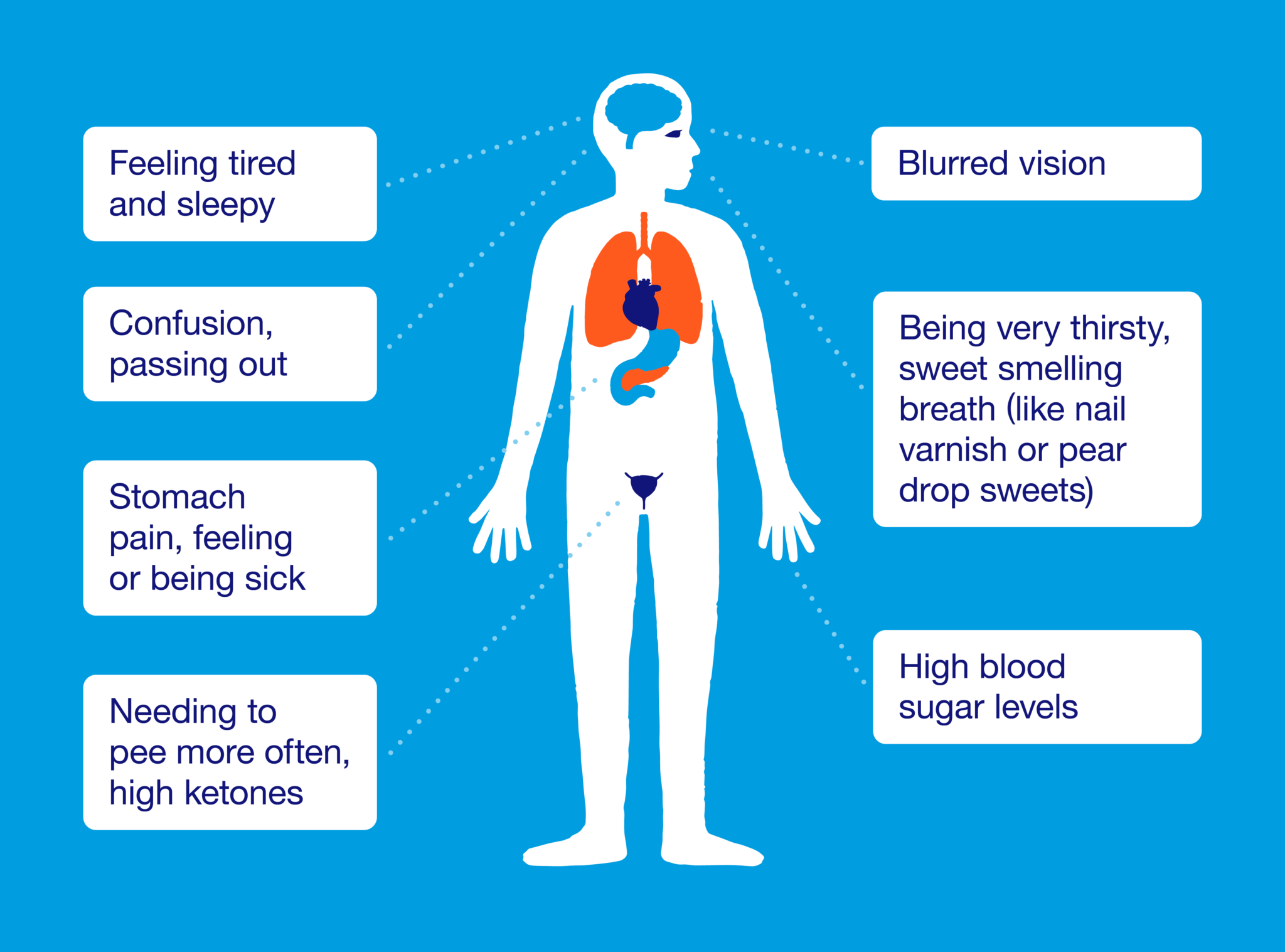
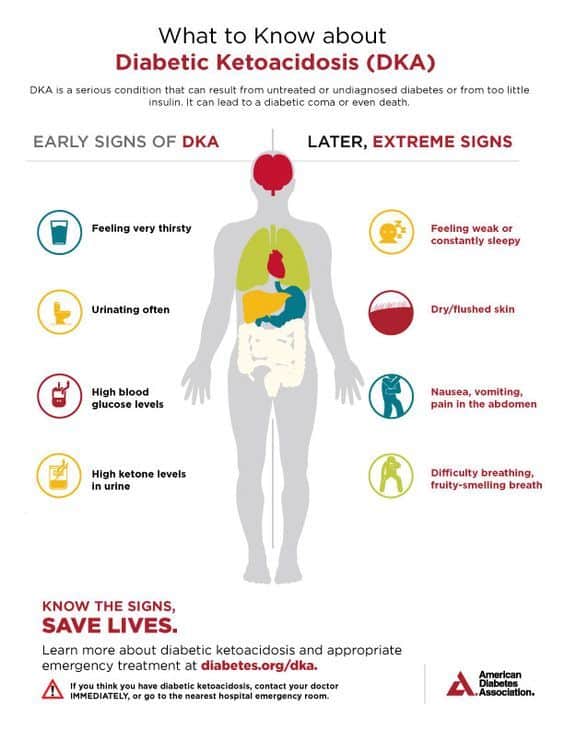
Common symptoms of DKA include frequent urination, excessive thirst, high blood sugar levels, fruity breath odor, nausea, vomiting, abdominal pain, fatigue, and confusion. If you experience any of these symptoms, it is important to seek immediate medical attention.
DKA can be diagnosed through blood and urine tests that measure ketone levels and blood sugar levels. Treatment typically involves intravenous fluids to rehydrate the body, insulin therapy to lower blood sugar levels, and electrolyte replacement to correct any imbalances.
Prevention and Management
Prevention is key when it comes to DKA. Individuals with type 1 diabetes should carefully monitor their blood sugar levels, take insulin as prescribed, and have regular check-ups with their healthcare provider. It is also important to be aware of factors that can increase the risk of DKA, such as illness or stress, and take appropriate measures to manage them.
In addition to proper diabetes management, education plays a crucial role in preventing and managing DKA. It is essential for individuals with diabetes to fully understand the signs and symptoms of DKA and to know when to seek medical help. Education programs, support groups, and resources are available to empower individuals with the knowledge and tools they need to effectively manage their condition.
 Understanding DKA: A Visual Perspective
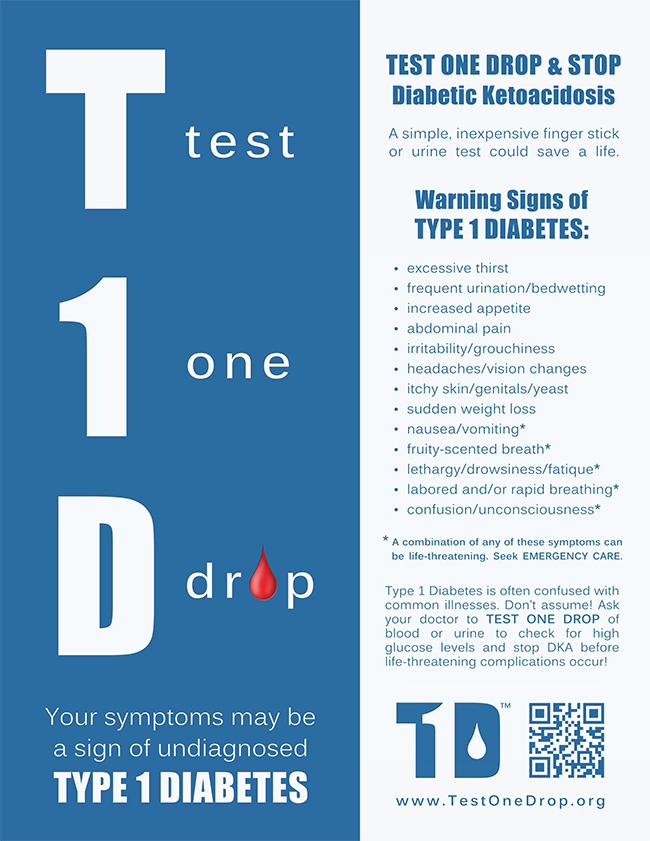
To supplement the information provided, the image above is an educational poster that visually depicts the concept of diabetic ketoacidosis and its association with type 1 diabetes. It serves as a helpful tool in raising awareness and promoting understanding among individuals with diabetes and their caregivers.
Recognizing the Signs and Symptoms
Early recognition of the signs and symptoms of DKA is crucial for timely intervention. The image above illustrates the key symptoms to be aware of, such as excessive thirst, frequent urination, and fruity breath odor. By familiarizing oneself with these warning signs, individuals can take proactive steps to prevent DKA from progressing.
In conclusion, diabetic ketoacidosis is a serious complication of diabetes, particularly type 1 diabetes. It is essential for individuals with diabetes to be educated about DKA, including its causes, symptoms, and management. By understanding the importance of DKA awareness, individuals can play an active role in preventing and effectively managing this potentially life-threatening condition.
If you are searching about Aldosterone In Dka | DiabetesTalk.Net you’ve visit to the right page. We have 5 Images about Aldosterone In Dka | DiabetesTalk.Net like Diabetic Ketoacidosis (DKA) – Why should it matter to me? | Nipro, Aldosterone In Dka | DiabetesTalk.Net and also Diabetes and Fruity Breath: Causes, Risks, And Treatment. Here you go:
Aldosterone In Dka | DiabetesTalk.Net
 diabetestalk.netketoacidosis diabetic diabetes type ketosis pediatric dka starvation population insulin figure symptoms signs aldosterone diabetestalk quizlet sign
Diabetes And Fruity Breath: Causes, Risks, And Treatment
 mantracare.orgketoacidosis diabetic dka breath treatment complications fruity ketosis symptome mellitus ketones urine mantracare anzeichen abdominal ursachen nausea difficulty remedies
What Is Diabetic Ketoacidosis & The Onset Of Type 1 Diabetes? – Nifty Mom
niftymom.comdiabetes type onset posters awareness ketoacidosis diabetic poster dka test educational drop signs diabetestalk
DKA: Diabetic Ketoacidosis - Hohman Rehab Physical Therapy
 hohmanrehab.comketoacidosis diabetic dka diabetes type nursing symptoms blood sugar signs infographic ketosis diet low complication facts mellitus keto deadly notes
Diabetic Ketoacidosis (DKA) – Why Should It Matter To Me? | Nipro
 www.nipro-group.comketoacidosis dka diabetes nipro matter knowledge studying icu
What is diabetic ketoacidosis & the onset of type 1 diabetes? – nifty mom. Diabetic ketoacidosis (dka) – why should it matter to me?. Ketoacidosis diabetic dka diabetes type nursing symptoms blood sugar signs infographic ketosis diet low complication facts mellitus keto deadly notes