what are the properties of low carbon steel Steels properties alloys pros strengths
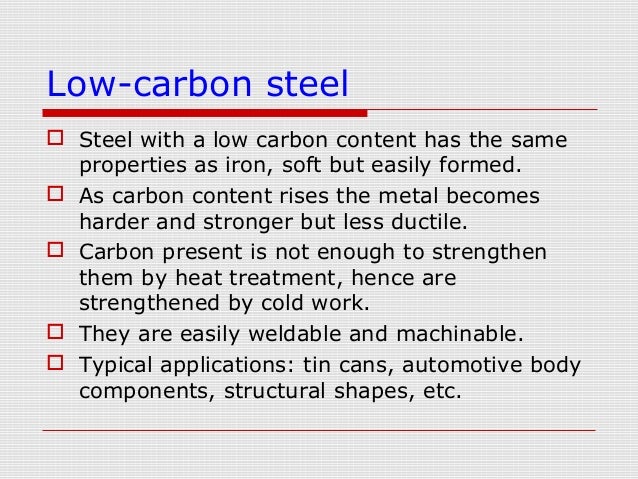
Low Carbon Steel is a type of steel that contains a low percentage of carbon. It is known for its excellent mechanical properties, which make it suitable for a wide range of applications. This type of steel has a few distinct advantages over other types of steel, including its strength, durability, and affordability.
The mechanical properties of Low Carbon Steel
 Low Carbon Steel possesses impressive mechanical properties that make it highly desirable in various industries. One of its key features is its high tensile strength, which allows it to resist deformation under stress. This property makes it suitable for applications where strength is crucial, such as in the construction of buildings, bridges, and machinery. Additionally, Low Carbon Steel has good impact resistance, meaning it can withstand sudden forces or shocks without breaking or fracturing easily.
Another significant advantage of Low Carbon Steel is its excellent ductility. This property enables the steel to be stretched or bent without losing its original shape. It is highly malleable, which means it can be formed into various shapes and sizes without any compromise in its integrity or mechanical properties. This makes it an ideal material for manufacturing processes such as rolling, forging, and extrusion.
Ferrous alloys
 Ferrous alloys are a type of alloy that primarily contains iron. These alloys are known for their exceptional strength, durability, and corrosion resistance. They have a wide range of applications across various industries, including manufacturing, construction, and transportation.
One of the most common examples of a ferrous alloy is stainless steel. Stainless steel is made by adding chromium and sometimes other elements like nickel and molybdenum to iron. This addition enhances the corrosion resistance of the alloy and gives it a unique aesthetic appeal. Stainless steel is widely used in kitchen appliances, cookware, and even in the construction of iconic architectural structures.
Another example of a ferrous alloy is cast iron. Cast iron is made by melting iron and adding carbon to it. This addition of carbon gives cast iron its distinct properties, such as high wear resistance, excellent heat retention, and good castability. Cast iron is commonly used in the manufacturing of engine blocks, pipes, and various automotive parts.
In conclusion, both Low Carbon Steel and ferrous alloys offer significant advantages in terms of their mechanical properties. Low Carbon Steel’s high tensile strength, impact resistance, and excellent ductility make it suitable for a wide range of applications. On the other hand, ferrous alloys, such as stainless steel and cast iron, provide exceptional strength, durability, and corrosion resistance. These materials play a crucial role in various industries and continue to be in high demand due to their versatility and reliability.
If you are looking for The mechanical properties of Low Carbon Steel. | Download Scientific you’ve came to the right web. We have 5 Images about The mechanical properties of Low Carbon Steel. | Download Scientific like The mechanical properties of Low Carbon Steel. | Download Scientific, Mechanical properties of carbon steel of the SAE5160. | Download Table and also Mechanical properties of carbon steel of the SAE5160. | Download Table. Here it is:
The Mechanical Properties Of Low Carbon Steel. | Download Scientific
www.researchgate.netMild Steel Vs Medium Vs High-carbon Steel - Comparison - Pros And Cons
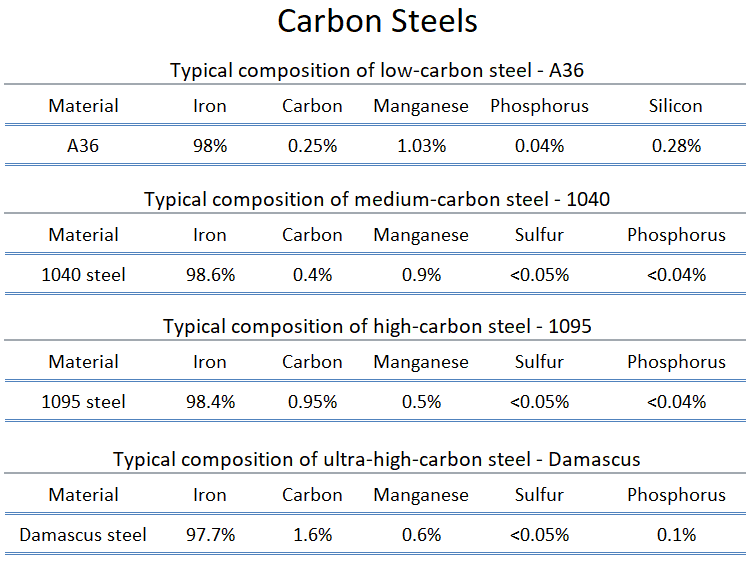 material-properties.orgsteels properties alloys pros strengths
Mechanical Properties Of Carbon Steel Of The SAE5160. | Download Table
 www.researchgate.netFerrous Alloys
www.slideshare.netferrous alloys
Steel
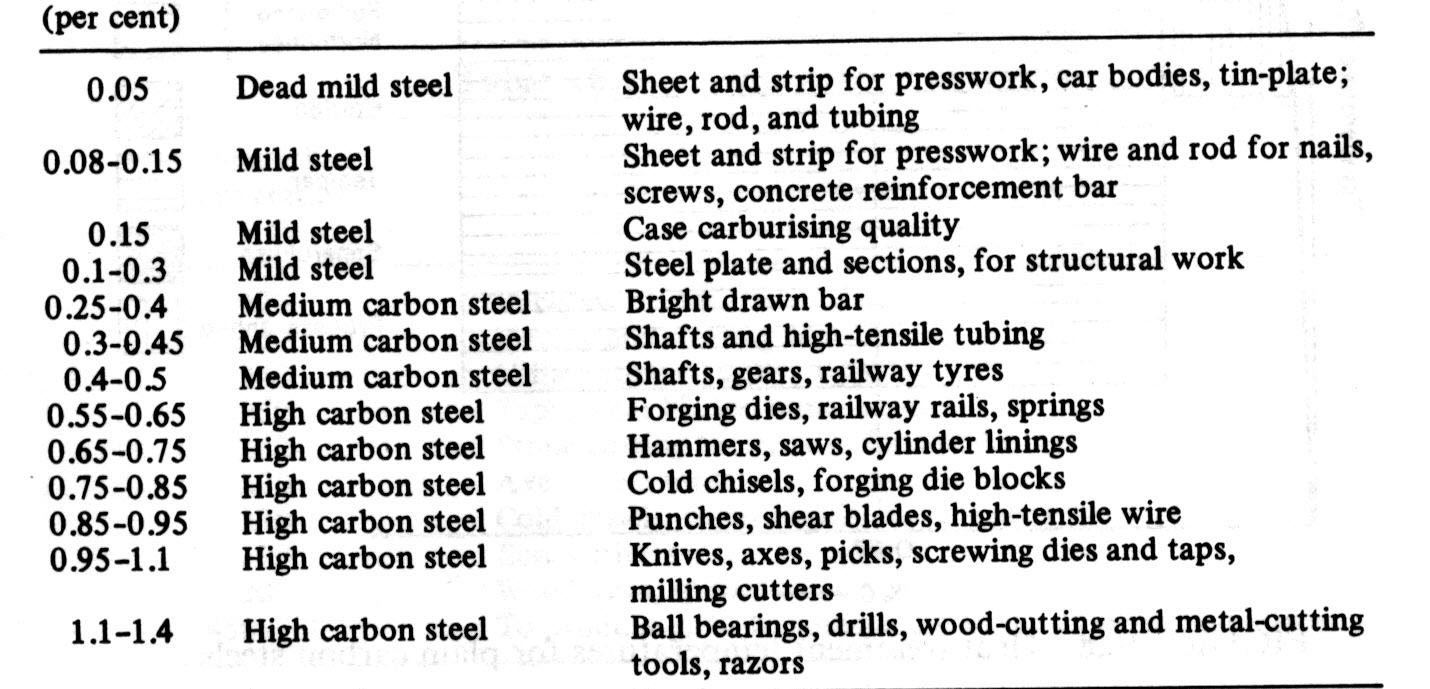 www.mem50212.comalloying
Mechanical properties of carbon steel of the sae5160.. Mild steel vs medium vs high-carbon steel. Ferrous alloys